Minimal Running Gear: Where I Spent Less (and Where I Did Not)
Updated: March 4, 2026
Three seasons ago I stripped my running gear down to seven items. Two of them are free. One was a gift. The rest I bought on sale, on a quiet Tuesday, after reading too many forum threads. Here is the short, honest list — what I kept, what I dropped, and why a comfortable pulse does not actually need much equipment.
The starting point: too much stuff
Back when I first started running, I thought I needed a kit for every season, a watch for every metric, and a shelf full of nutrition products. By the end of the first year I had spent more on accessories than on the shoes themselves. None of that gear made me faster. It mostly made my hallway closet noisier.
What survived: the short list
- One pair of neutral running shoes, replaced every twelve to eighteen months.
- One pair of moisture-wicking socks, washed twice a week.
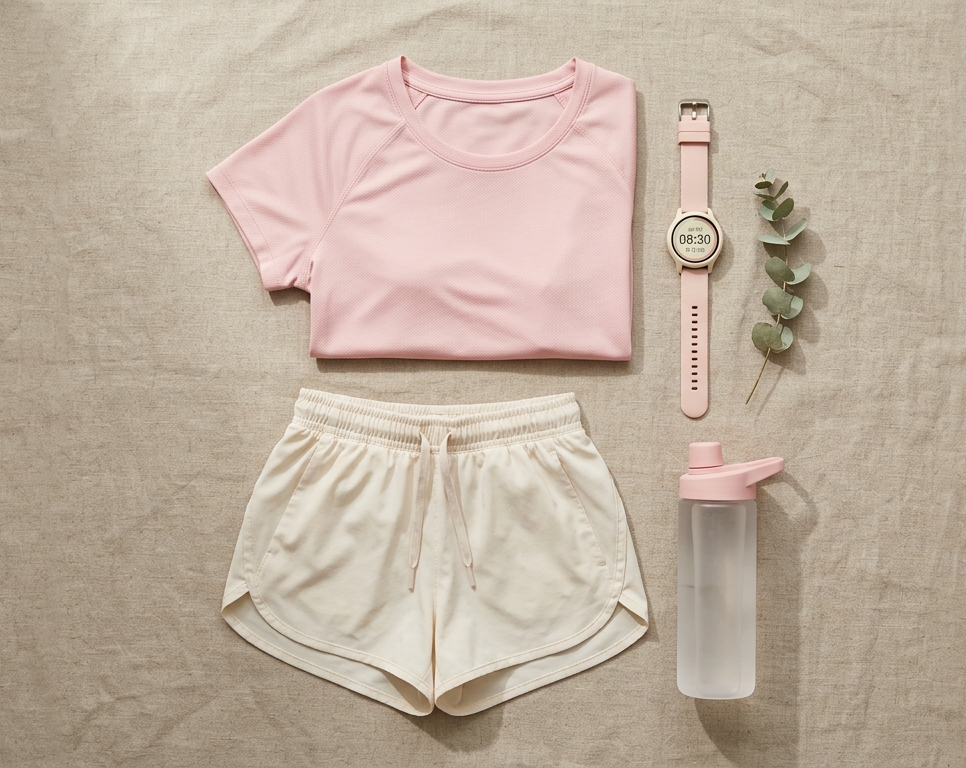
- Two simple shirts — one light, one slightly warmer.
- One pair of shorts and one pair of tights.
- A thin windproof jacket for shoulder seasons.
- A basic wrist watch for pulse and time of day.
- A reusable water bottle for the days I run loops near a tap.
“The best running gear is the gear you forget you are wearing.” — a regular at the Withrow Park run club
Where I happily spent less
I stopped buying premium fabrics for every season. A basic synthetic shirt from a mid-range brand works as well as a flagship item for ninety percent of my runs. According to experts quoted in long-form running magazines, the difference between mid-range and top-tier wellness apparel is often marginal once the basics are covered: breathability, fit, and weight.
Where I did not skimp
Shoes. That is the entire list. A well-fitted, neutral shoe with sensible cushioning rescued my comfortable-pace habit more than any other item. WHO specialists note that sensible footwear generally supports posture and balance — that line plays out on every long, slow kilometre. I rotate two pairs, log the total kilometres, and replace them when they feel “spongy” on the inside.
The gear I quietly dropped
- Compression sleeves I never noticed during a run.
- An ultralight vest with eight pockets I never filled.
- A second watch I bought as a “backup” and used twice.
- A heart-rate chest strap that mostly logged the wrong values when wet.
What changed when the gear got smaller
The biggest change was psychological. With fewer items to fuss over, getting out the door took less time. My morning prep shrank to a thirty-second routine: pull on the kit, lace the shoes, walk down the stairs. In my experience, that low friction is what keeps the habit alive on grey March mornings when motivation is thin.
A small budget plan
If I were starting over today with a tight budget, I would spend most of it on shoes from a specialty store with a real fitting, and the rest on two synthetic shirts and one pair of shorts. Everything else can come later, slowly, as the habit grows. Buying everything in week one is the fastest way to lose interest by week six.
How I care for what I own
The second half of minimalism is maintenance. A small kit only stays small if each item lasts a long time. I wash shirts and shorts on a gentle cycle in cool water, hang everything to dry indoors, and rotate the two shirts so neither one carries the entire load. Shoes get a soft brush after muddy outings and an evening on a wooden shoe-tree to keep their shape. None of this takes more than a few minutes a week, but it adds whole seasons to the lifetime of a basic kit.
I also keep a small note inside my closet door: the kilometre count on each pair of shoes and the month I bought them. When the spongy feeling arrives, the note tells me whether I am being too eager or whether the shoes have honestly earned retirement. According to experts in long-form running media, paying gentle attention to gear extends both the lifespan of the items and the patience of the wearer.
What I tell friends who ask
When friends ask what to buy first, my answer is always the same. Go to a specialty store on a quiet weekday afternoon. Let someone watch you walk. Try on at least three pairs. Choose the boring colour that feels best, not the bright one that looks best. Then go home, lace them up, and walk around the block. That is the whole shopping list for the first six weeks. The rest can wait until you actually know what you want.
3 steps you can start today
Try this small reset
- Lay out every running item you own on the floor. Sort into “used this month” and “did not use”.
- Donate or sell three items from the “did not use” pile. Notice how much lighter the closet feels.
- Plan your next purchase only after you have run consistently for two weeks with what remains.
FAQ
Do I really only need one pair of shoes?
One well-fitted pair is enough to start. After the first six months, a second pair is helpful so the cushioning has time to bounce back between runs.
Is a fancy watch worth it for slow running?
For comfortable-pace work, a simple watch that shows time and pulse is plenty. The rest is nice but not necessary.
What about cold winter days?
A thin base layer, a windproof jacket, and a soft beanie cover most Canadian winter mornings down to about minus ten Celsius for a thirty-minute run.
This content is for informational purposes only and is not a substitute for professional advice. Consult a qualified specialist before starting any new fitness or wellness program. Information on this blog is based on open sources and personal experience. It does not replace medical consultation.
Read also
Morning Run vs Evening Run
Two pulses, two moods, one honest comparison.
Read articleStart Running from Zero
A gentle four-week on-ramp without the burnout.
Read articleJoin the calm-pace newsletter
Weekly notes on pulse, breathing, and gentle running. No noise, just a quiet nudge.